Home › Mammalia › Notoryctidae › Southern Marsupial Mole (Notoryctes typhlops)
SPECIES PROFILE
Southern Marsupial Mole (Notoryctes typhlops)
Notoryctes
IUCN STATUS
Endangered

CONSERVATION STATUS
Endangered
CLASS
Mammalia
GEOGRAPHICAL RANGE
Central and western desert regions of Australia (e.g., Great Sandy Desert)
DIET
Carnivorous/Insectivorous
HABITAT
Sandy deserts and dunes
🔬 Classification
PHYLUM
Chordata
CLASS
Mammalia
ORDER
Notoryctemorphia
FAMILY
Notoryctidae
GENUS
Notoryctes
📋 Description
SIZE
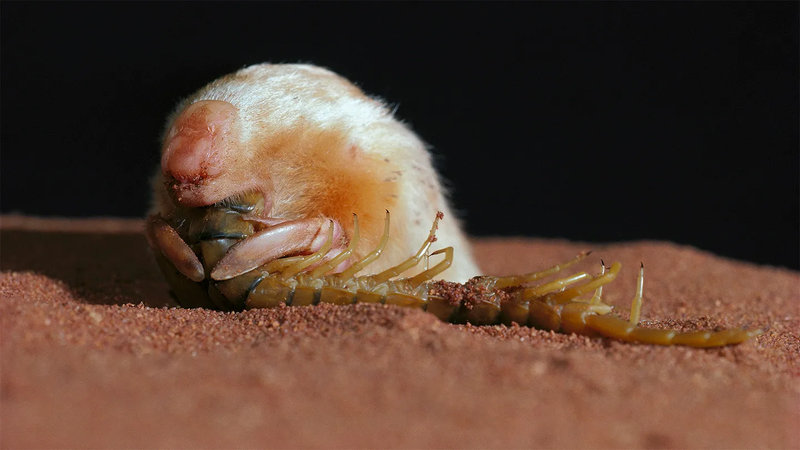
9-18 cm long, plus a short 2-3 cm tail; weighs 40-70 grams
COLORATION
Silky golden or cream fur, no visible eyes or ears
ADAPTATIONS
Fused neck vertebrae, spade-like claws for digging, streamlined body for burrowing
🌿 Ecology
HABITAT
Sandy deserts and dunes
DIET
Carnivorous/Insectivorous
GEOGRAPHIC RANGE
Central and western desert regions of Australia (e.g., Great Sandy Desert)
REPRODUCTION
Little known; thought to give birth to 1-2 joeys, with pouch development underground
DIET DETAILS
Feeds on underground insects, larvae, and small reptiles
⚠️ Threats & Conservation
PRIMARY THREATS
Habitat disturbance, predation by foxes and cats, and lack of data on population
💡 Interesting Facts
1
Sand Swimmers: Southern marsupial moles ‘swim’ through Uluru’s sands, their eyeless 70-gram bodies hunting larvae via touch, leaving no tunnels. With fewer than 1,000 estimated, their subterranean life in Great Sandy Desert shields them from predators but not mining impacts.
2
Elusive Breeders: Likely birthing one joey in a pouch, their reproductive habits remain a mystery in Simpson Desert, known only through Indigenous tracking. Their digging, turning 50 kg of soil monthly, aerates deserts, but habitat disruption threatens their fragile existence.
🔭 Sighting Guide
📍 BEST PLACES TO SIGHT
Uluru-Kata Tjuta National Park in Northern Territory has sandy deserts around Uluru and Kata Tjuta for mole sightings
Great Sandy Desert in Western Australia near Telfer and Canning Stock Route is ideal for mole sightings
Simpson Desert Conservation Park in South Australia near Oodnadatta has desert edges for mole sightings
🗓️ BEST TIME TO SIGHT
April-September. Cooler months make moles more active in deserts for burrowing.
🎯 SIGHTING TIPS
Join guided tours to spot mole tracks in sandy dunes.
🐾 You Might Also Want to See...

Species
Range
Status
Species
Range
Status
Species
Range
Status
Species
Range
Status