Home › Insecta › Nymphalidae › Common Crow (Euploea core)
SPECIES PROFILE
Common Crow (Euploea core)
Euploea
IUCN STATUS
Least Concern

CONSERVATION STATUS
Least Concern
CLASS
Insecta
GEOGRAPHICAL RANGE
Northern/eastern Australia, WA to NSW, Southeast Asia
DIET
Nectarivorous
HABITAT
Forests, woodlands, coastal areas, suburban gardens
🔬 Classification
PHYLUM
Arthropoda
CLASS
Insecta
ORDER
Lepidoptera
FAMILY
Nymphalidae
GENUS
Euploea
📋 Description
SIZE
Wingspan 7-9 cm; males/females similar
COLORATION
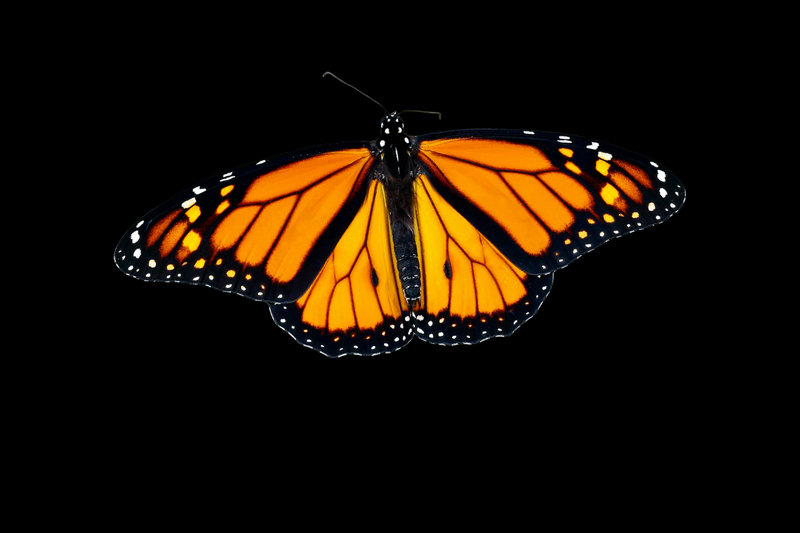
Dark brown/black wings, white spots on edges; glossy sheen
ADAPTATIONS
Slow flight mimicking toxicity, chemical defenses from host plants
🌿 Ecology
HABITAT
Forests, woodlands, coastal areas, suburban gardens
DIET
Nectarivorous
GEOGRAPHIC RANGE
Northern/eastern Australia, WA to NSW, Southeast Asia
REPRODUCTION
Lays eggs on milkweed, larvae 2-3 weeks, pupate 10-14 days
DIET DETAILS
Feeds on nectar from Lantana, Eucalyptus blossoms
⚠️ Threats & Conservation
PRIMARY THREATS
Habitat alteration, but highly adaptable
💡 Interesting Facts
1
Toxic Flyers: Common crows ingest milkweed toxins as larvae, making adults unpalatable to birds, their slow flight signaling danger in Kakadu’s wet season. This defense supports millions, pollinating 100 flowers daily, though urban sprawl alters their coastal habitats.
2
Swarm Travelers: Migrating 500 km in Noosa’s heathlands, thousands form swarms guided by magnetic fields, a spectacle disrupted by city lights. Their nectar-feeding, seen in Royal National Park, aids eucalyptus pollination, maintaining forest health across eastern Australia.
🔭 Sighting Guide
📍 BEST PLACES TO SIGHT
Kakadu National Park in Northern Territory has Yellow Water Billabong for crow sightings in wet season
Noosa National Park in Queensland features Noosa Heads coastal heathlands with flowers for crow sightings
Royal National Park in New South Wales offers Wattamolla woodlands and trails for crow sightings
🗓️ BEST TIME TO SIGHT
November-March. Wet season increases butterfly activity in forests for nectar feeding.
🎯 SIGHTING TIPS
Search flowering plants at midday to spot crows feeding on nectar.