Home › Amphibia › Myobatrachidae › Common Eastern Froglet (Crinia signifera)
SPECIES PROFILE
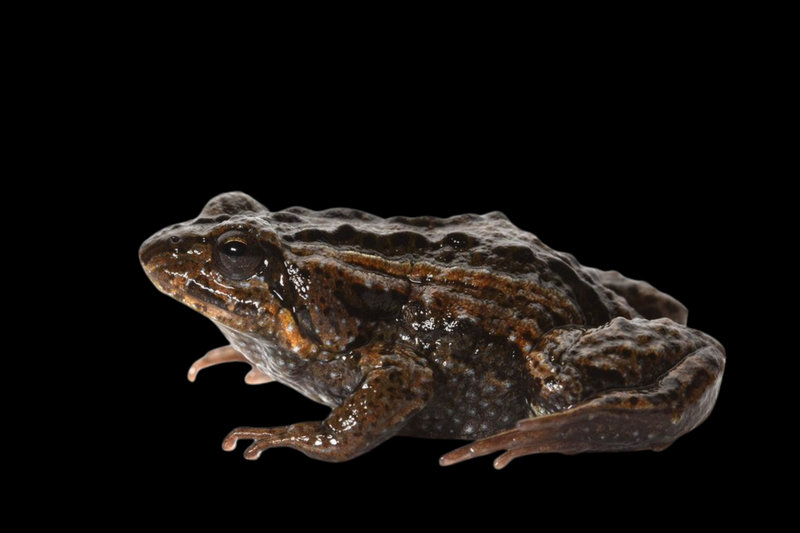
Common Eastern Froglet (Crinia signifera)
Crinia
IUCN STATUS
Least Concern

CONSERVATION STATUS
Least Concern
CLASS
Amphibia
GEOGRAPHICAL RANGE
Southeastern Australia, Queensland to Tasmania, SA
DIET
Carnivorous
HABITAT
Grasslands, forests, wetlands, suburban areas near water
🔬 Classification
PHYLUM
Chordata
CLASS
Amphibia
ORDER
Anura
FAMILY
Myobatrachidae
GENUS
Crinia
📋 Description
SIZE
2-3 cm in length; 1-3 grams
COLORATION
Variable—brown, grey, tan with darker mottling; lighter underside
ADAPTATIONS
Small size aids hiding under leaf litter, moist skin
🌿 Ecology
HABITAT
Grasslands, forests, wetlands, suburban areas near water
DIET
Carnivorous
GEOGRAPHIC RANGE
Southeastern Australia, Queensland to Tasmania, SA
REPRODUCTION
Lays 50-150 eggs in clusters, tadpoles metamorphose 6-12 weeks
DIET DETAILS
Feeds on tiny insects like ants, mites, springtails
⚠️ Threats & Conservation
PRIMARY THREATS
Habitat drainage, pollution, invasive species
💡 Interesting Facts
1
Cricket Mimics: Common eastern froglets emit ‘crick-crick’ calls, mimicking crickets to attract mates in Royal National Park’s wetlands, with choruses reaching 80 decibels. Their 3 cm size allows breeding in tiny pools, sustaining millions despite urban pollution.
2
Suburban Survivors: Thriving in Werribee Gorge’s ponds, they consume 50 mites daily, but chytrid fungus threatens 30% of populations. Their adaptability to urban water sources, like Mount Field’s streams, ensures their role as insect predators across southeast Australia.
🔭 Sighting Guide
📍 BEST PLACES TO SIGHT
Royal National Park in New South Wales has Wattamolla and Hacking River damp areas for froglet sightings
Werribee Gorge State Park in Victoria west of Melbourne offers watercourses and logs for froglet sightings
Mount Field National Park in Tasmania features Lady Barron Falls wet forests for froglet sightings
🗓️ BEST TIME TO SIGHT
September-March. Spring and summer trigger breeding with froglets active in wetlands.
🎯 SIGHTING TIPS
Visit damp areas at night to hear and spot froglets calling.