Home › Mammalia › Rhinolophidae › Eastern Horseshoe Bat (Rhinolophus megaphyllus)
SPECIES PROFILE
Eastern Horseshoe Bat (Rhinolophus megaphyllus)
Rhinolophus
IUCN STATUS
Least Concern

CONSERVATION STATUS
Least Concern
CLASS
Mammalia
GEOGRAPHICAL RANGE
Eastern Australia from Queensland to Victoria
DIET
Insectivorous
HABITAT
Caves, mines, and dense vegetation, often near water
🔬 Classification
PHYLUM
Chordata
CLASS
Mammalia
ORDER
Chiroptera
FAMILY
Rhinolophidae
GENUS
Rhinolophus
📋 Description
SIZE
Body length 4-5 cm, wingspan around 25 cm, weight 6-10 grams
COLORATION
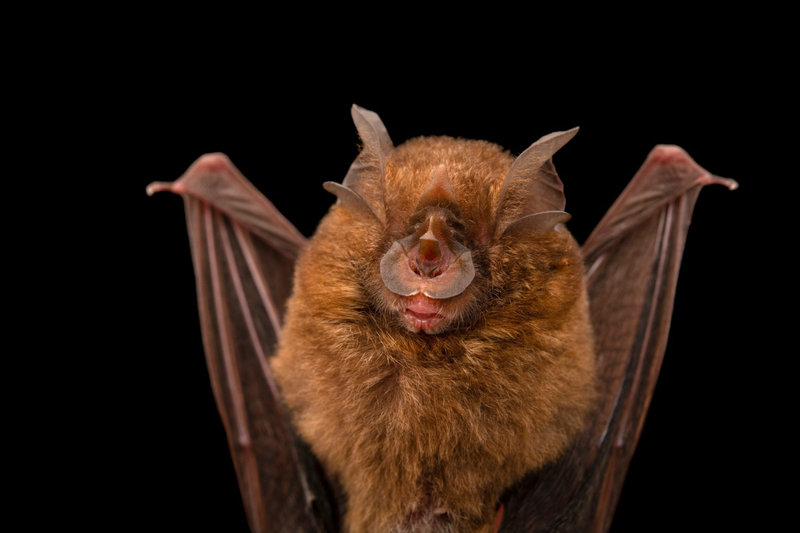
Greyish-brown fur, with a distinctive horseshoe-shaped nose leaf
ADAPTATIONS
Nose leaf aids in echolocation, large ears for sound detection
🌿 Ecology
HABITAT
Caves, mines, and dense vegetation, often near water
DIET
Insectivorous
GEOGRAPHIC RANGE
Eastern Australia from Queensland to Victoria
REPRODUCTION
One pup per year, born in late spring or early summer
DIET DETAILS
Feeds on small insects like moths, mosquitoes, and beetles
⚠️ Threats & Conservation
PRIMARY THREATS
Disturbance of roosting sites, habitat loss, climate change
💡 Interesting Facts
1
Sonar Navigators: Eastern horseshoe bats use nose-leaf echolocation, detecting moths with millimeter precision, catching 500 nightly in Blue Mountains’ caves. Their 30 km/h flight navigates dense forests, supporting millions despite cave disturbances.
2
Colonial Dwellers: Roosting in colonies of 100 in Mount Etna’s limestone caves, they share body heat, with mothers nursing single pups. Their social structure, seen in Border Ranges’ rainforests, ensures survival, though mining threatens their 50,000-strong population.
🔭 Sighting Guide
📍 BEST PLACES TO SIGHT
Blue Mountains National Park in New South Wales has Jenolan Caves guided tours for bat sightings
Mount Etna Caves National Park in Queensland near Rockhampton offers limestone caves for bat sightings at dusk
Border Ranges National Park in New South Wales features rainforest caves for bat sightings on night walks
🗓️ BEST TIME TO SIGHT
September-March. Spring and summer increase bat activity in caves for foraging.
🎯 SIGHTING TIPS
Join guided cave tours at dusk to see bats emerging.
🐾 You Might Also Want to See...

Species
Range
Status
Species
Range
Status
Species
Range
Status
Species
Range
Status