Home › Reptilia › Elapidae › Tiger Snake (Notechis scutatus)
SPECIES PROFILE
Tiger Snake (Notechis scutatus)
Notechis
IUCN STATUS
Least Concern

CONSERVATION STATUS
Least Concern
CLASS
Reptilia
GEOGRAPHICAL RANGE
Southern and eastern Australia, including Tasmania
DIET
Carnivorous
HABITAT
Wetlands, grasslands, and coastal areas
🔬 Classification
PHYLUM
Chordata
CLASS
Reptilia
ORDER
Squamata
FAMILY
Elapidae
GENUS
Notechis
📋 Description
SIZE
Up to 1.5 meters long; 0.5-1 kg
COLORATION
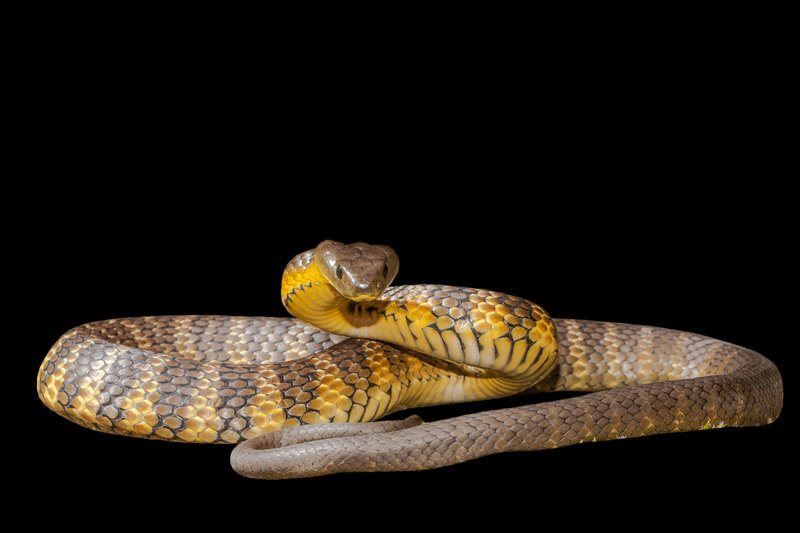
Bands of black, yellow, or brown; highly variable
ADAPTATIONS
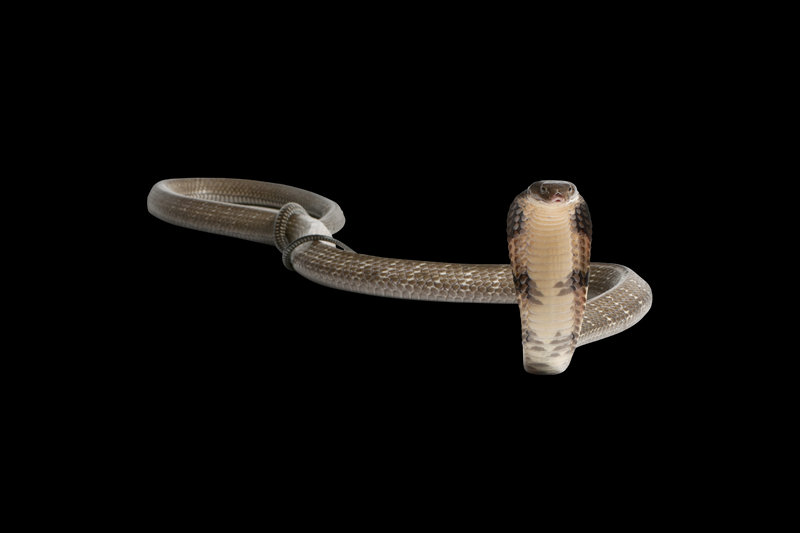
Potent venom (neurotoxin, coagulant), flattened head when threatened
🌿 Ecology
HABITAT
Wetlands, grasslands, and coastal areas
DIET
Carnivorous
GEOGRAPHIC RANGE
Southern and eastern Australia, including Tasmania
REPRODUCTION
Viviparous, 20-30 live young after 3-4 month gestation
DIET DETAILS
Feeds on frogs, small mammals, birds, and lizards
⚠️ Threats & Conservation
PRIMARY THREATS
Habitat loss, human persecution
💡 Interesting Facts
1
Venomous Threat: Tiger snakes deliver a potent neurotoxic venom, potentially fatal within hours without antivenom, a risk in Mount Field’s wetlands where they hunt frogs. Antivenom, developed in the 1950s, has reduced deaths, but their 1.5-meter length makes them a feared presence.
2
Camouflaged Hunters: Their variable bands blend into Werribee River’s grasslands, enabling stealthy ambushes of 50 frogs monthly, with millions thriving across Australia. When threatened, they flatten their neck like a cobra, deterring predators in coastal Fleurieu Peninsula.
🔭 Sighting Guide
📍 BEST PLACES TO SIGHT
Werribee Open Range Zoo in Victoria near Melbourne has safe views and Werribee River wild areas for snake sightings
Mount Field National Park in Tasmania features Russell Falls near water for snake sightings with caution
Fleurieu Peninsula in South Australia has Victor Harbor and Onkaparinga River wetlands for snake sightings with caution
🗓️ BEST TIME TO SIGHT
September-March. Spring and summer increase snake activity in wetlands for hunting.
🎯 SIGHTING TIPS
Join guided walks with herpetologists to spot snakes basking near water.