Home › Amphibia › Brevicipitidae › Cape Rain Frog (Breviceps gibbosus)
SPECIES PROFILE
Cape Rain Frog (Breviceps gibbosus)
Breviceps
IUCN STATUS
Near Threatened

CONSERVATION STATUS
Near Threatened
CLASS
Amphibia
GEOGRAPHICAL RANGE
Southwestern South Africa
DIET
Carnivorous
HABITAT
Fynbos, coastal scrublands
🔬 Classification
PHYLUM
Chordata
CLASS
Amphibia
ORDER
Anura
FAMILY
Brevicipitidae
GENUS
Breviceps
📋 Description
SIZE
3-5 cm, 5-15 g
COLORATION
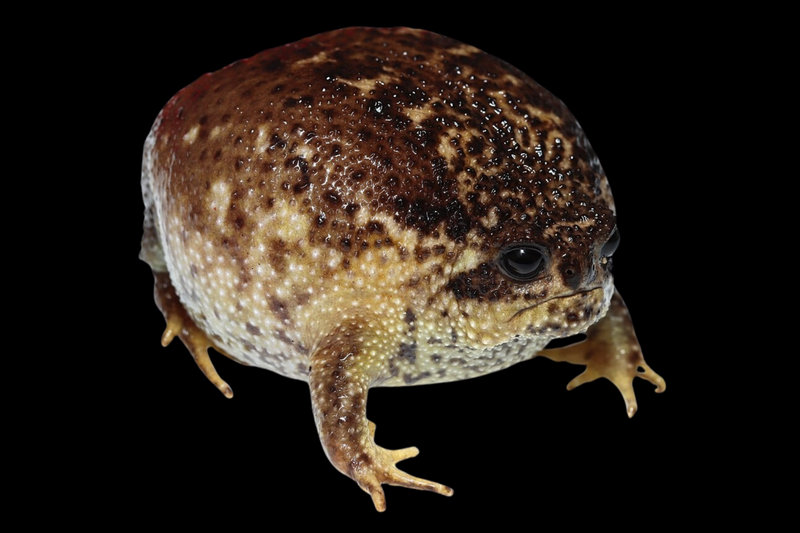
Brown with darker mottling; round body
ADAPTATIONS
Burrowing; no hopping ability
🌿 Ecology
HABITAT
Fynbos, coastal scrublands
DIET
Carnivorous
GEOGRAPHIC RANGE
Southwestern South Africa
REPRODUCTION
Direct development; no tadpole stage
DIET DETAILS
Small insects, worms
⚠️ Threats & Conservation
PRIMARY THREATS
Habitat loss, urbanization
💡 Interesting Facts
1
Grumpy Globes: Their round, pebble-like bodies and frowning faces make them internet darlings, but they squeak shrilly when threatened, a sound that belies their cute appearance. This odd combo of looks and voice charms herpetologists and casual observers alike.
2
Egg-to-Frog Magic: Unlike most frogs, they skip the tadpole stage, hatching directly as tiny froglets from eggs laid underground, a rare trait adapted to their dry habitat. This direct development ensures survival without standing water, a precious resource in their range.
🔭 Sighting Guide
📍 BEST PLACES TO SIGHT
Cape Peninsula, South Africa
De Hoop National Reserve, South Africa
Table Mountain National Park, South Africa
🗓️ BEST TIME TO SIGHT
November-March: Wet season triggers breeding with frogs active near streams.
🎯 SIGHTING TIPS
Listen for calls near streams at night during guided walks.
🐾 You Might Also Want to See...

Species
Range
Status
Species
Range
Status
Species
Range
Status
Species
Range
Status