
Home › Aves › Paradisaeidae › Bird-of-Paradise (Paradisaea spp.)
SPECIES PROFILE
Bird-of-Paradise (Paradisaea spp.)
Paradisaea
IUCN STATUS
Vulnerable (some species)

CONSERVATION STATUS
Vulnerable (some species)
CLASS
Aves
GEOGRAPHICAL RANGE
Papua, Indonesia
DIET
Omnivorous
HABITAT
Rainforests
🔬 Classification
PHYLUM
Chordata
CLASS
Aves
ORDER
Passeriformes
FAMILY
Paradisaeidae
GENUS
Paradisaea
📋 Description
SIZE
20-44 cm, 100-300 g
COLORATION
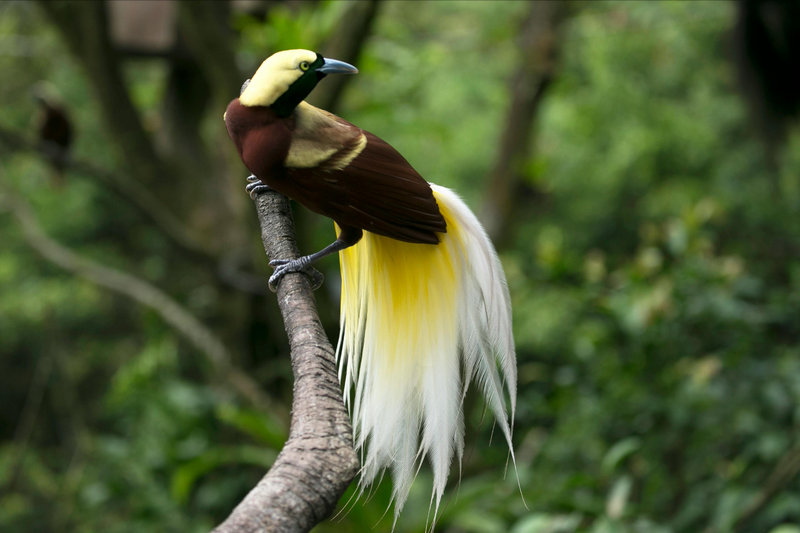
Males: vibrant colors, ornate plumes; females: duller
ADAPTATIONS
Elaborate courtship displays
🌿 Ecology
HABITAT
Rainforests
DIET
Omnivorous
GEOGRAPHIC RANGE
Papua, Indonesia
REPRODUCTION
2-4 eggs; incubation ~18 days
DIET DETAILS
Fruits, insects
⚠️ Threats & Conservation
PRIMARY THREATS
Poaching, deforestation
💡 Interesting Facts
1
Dazzling Dancers: Males perform intricate courtship dances, flashing iridescent feathers to attract females, a spectacle unique to Papua's forests. These displays, seen in Raja Ampat, involve synchronized movements and calls, drawing global attention to their conservation.
2
Cultural Icons: Revered in Papuan traditions, their plumes adorn ceremonial headdresses, symbolizing beauty and prestige. Overhunting for these feathers, combined with habitat loss, threatens species like Wilson's bird-of-paradise, endemic to West Papua.
🔭 Sighting Guide
📍 BEST PLACES TO SIGHT
Raja Ampat Islands
Wasur National Park
Lorentz National Park
🗓️ BEST TIME TO SIGHT
Join birding tours at dawn to see males displaying vibrant plumage.
🎯 SIGHTING TIPS
April-October. Dry season improves visibility for breeding displays in forests.
🐾 You Might Also Want to See...

Species
Range
Status
Species
Range
Status
Species
Range
Status
Species
Range
Status


