Home › Actinopterygii › Cyprinidae › Barbel (Barbus spp.)
SPECIES PROFILE
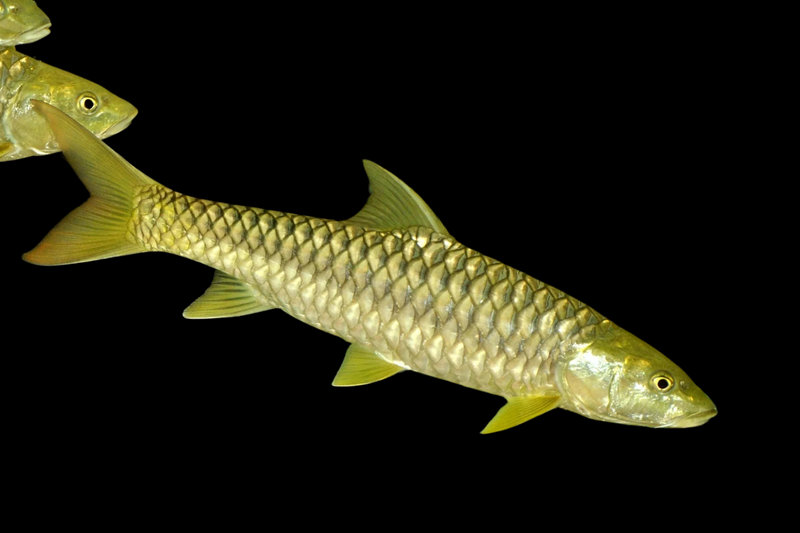
Barbel (Barbus spp.)
Barbus
IUCN STATUS
Least Concern (most species)

CONSERVATION STATUS
Least Concern (most species)
CLASS
Actinopterygii
GEOGRAPHICAL RANGE
Sub-Saharan Africa
DIET
Omnivorous
HABITAT
Freshwater rivers, lakes, streams
🔬 Classification
PHYLUM
Chordata
CLASS
Actinopterygii
ORDER
Cypriniformes
FAMILY
Cyprinidae
GENUS
Barbus
📋 Description
SIZE
10-50 cm, 0.1-2 kg (varies by species)
COLORATION
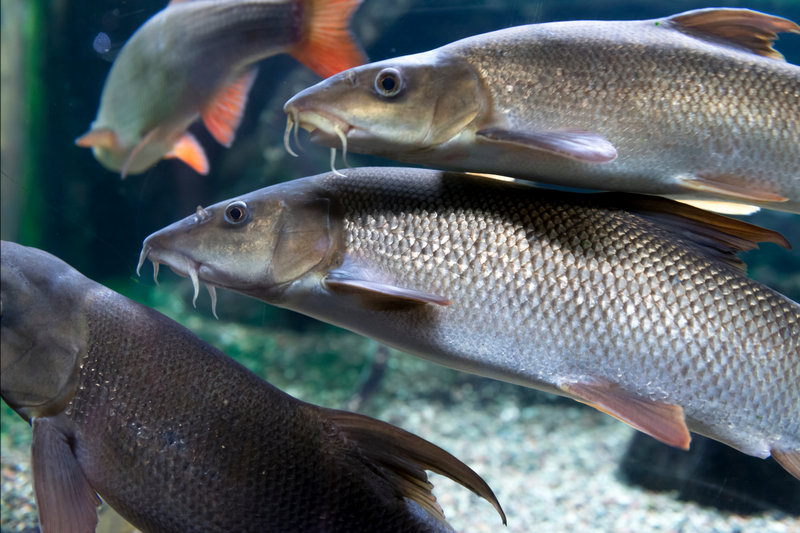
Brown to silver; barbels around mouth
ADAPTATIONS
Bottom feeder; barbels for sensing food
🌿 Ecology
HABITAT
Freshwater rivers, lakes, streams
DIET
Omnivorous
GEOGRAPHIC RANGE
Sub-Saharan Africa
REPRODUCTION
Eggs scattered; no parental care
DIET DETAILS
Insects, algae, detritus
⚠️ Threats & Conservation
PRIMARY THREATS
Habitat degradation, overfishing
💡 Interesting Facts
1
Whisker Hunters: Barbels' fleshy whiskers let them probe murky riverbeds for food, sensing insects or algae where eyes fail, a tactile edge in Africa's cloudy waters. With over 800 species, they're a diverse clan thriving in every aquatic nook.
2
River Staples: A key food fish for rural communities, barbel have sustained humans for centuries, their mild flavor and abundance making them a lifeline in regions like the Congo Basin. Their resilience keeps them plentiful despite heavy fishing pressure.
🔭 Sighting Guide
📍 BEST PLACES TO SIGHT
Congo River, DR Congo
Lake Tanganyika, Tanzania
Zambezi River, Zambia
🗓️ BEST TIME TO SIGHT
June-October: Dry season improves fishing conditions for barbel in Lake Tanganyika.
🎯 SIGHTING TIPS
Hire local boats for lake angling to catch barbel in deeper waters.