
Home › Arthropoda › Lepidoptera › Bogong Moth (Agrotis infusa)
SPECIES PROFILE
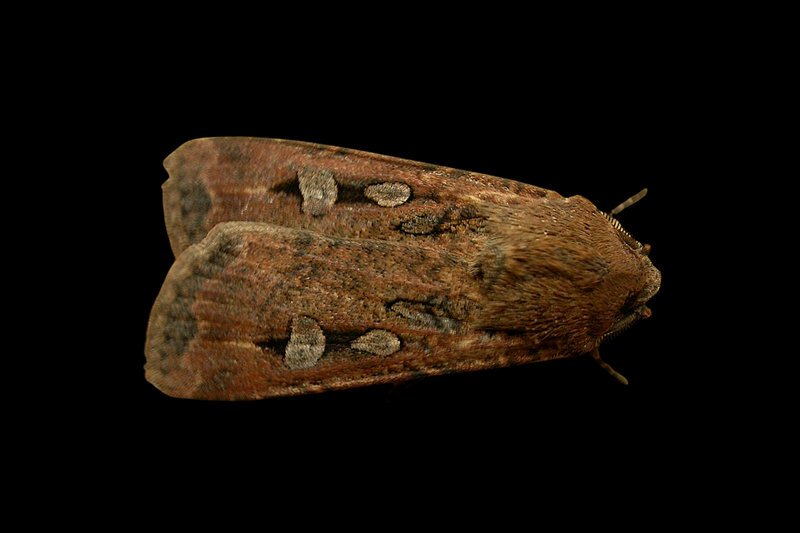
Bogong Moth (Agrotis infusa)
Noctuidae
IUCN STATUS
Larvae feed on grasses, crops; adults sip nectar during migration

CONSERVATION STATUS
Larvae feed on grasses, crops; adults sip nectar during migration
CLASS
Arthropoda
GEOGRAPHICAL RANGE
Agrotis
DIET
Herbivorous (larvae)
HABITAT
Grasslands, agriculture (breeding); alpine caves, rock crevices (aestivation)
🔬 Classification
PHYLUM
Least Concern
CLASS
Arthropoda
ORDER
Insecta
FAMILY
Lepidoptera
GENUS
Noctuidae
📋 Description
SIZE
Wingspan 4-5 cm; body 2 cm, less than 1 gram
COLORATION
Dark brown/black wings, lighter markings (two pale spots); camouflaged
ADAPTATIONS
Long-distance migration, fat reserves for aestivation
🌿 Ecology
HABITAT
Grasslands, agriculture (breeding); alpine caves, rock crevices (aestivation)
DIET
Herbivorous (larvae)
GEOGRAPHIC RANGE
Agrotis
REPRODUCTION
Southeastern Australia, breeding Queensland-NSW-Victoria; migrates to alpine NSW-Victoria
DIET DETAILS
Nectarivorous (adults)
⚠️ Threats & Conservation
PRIMARY THREATS
Lays hundreds of eggs in soil, larvae hatch autumn, pupate spring, adults late spring
💡 Interesting Facts
1
Alpine Migrants: Bogong moths migrate 1,000 km to Kosciuszko’s caves, their 1-gram bodies fueling mountain pygmy possums with 100 moths nightly. Their millions-strong swarms, disrupted by urban lights, pollinate 50 plants daily, vital for alpine ecosystems
2
Crop Challengers: Larvae consume 200 grams of grasses in Namadgi’s fields, impacting agriculture, while adults sip nectar in Blue Mountains’ crevices. Pesticides kill 20% of populations, but their migration, guided by magnetic fields, persists, supporting biodiversity.
🔭 Sighting Guide
📍 BEST PLACES TO SIGHT
Kosciuszko National Park in New South Wales has Thredbo and Charlotte Pass crevices for moth sightings in summer
Namadgi National Park in Australian Capital Territory features Mount Ginini caves with large moth numbers
Blue Mountains National Park in New South Wales offers Wentworth Falls crevices for moth sightings in summer
🗓️ BEST TIME TO SIGHT
September-October. Spring migration brings moths to alpinerobotics to alpine caves for aestivation.
🎯 SIGHTING TIPS
Visit caves at dusk to observe moths clustering in large numbers.
🐾 You Might Also Want to See...

Species
Range
Status
Species
Range
Status
Species
Range
Status
Species
Range
Status


Other "Vulnerable" Species
Species
Species
Species
Species