
Home › Amphibia › Hyperoliidae › Reed Frog (Hyperolius spp.)
SPECIES PROFILE
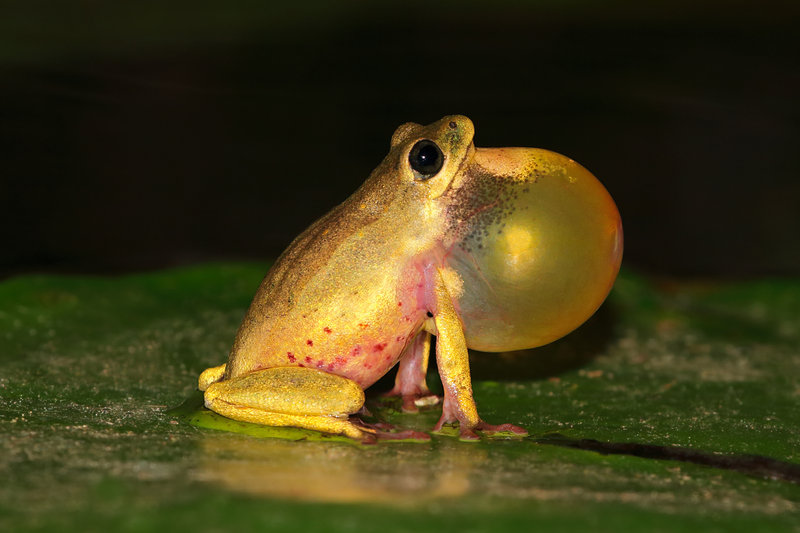
Reed Frog (Hyperolius spp.)
Hyperolius
IUCN STATUS
Varies (Least Concern to Endangered)

CONSERVATION STATUS
Varies (Least Concern to Endangered)
CLASS
Amphibia
GEOGRAPHICAL RANGE
Sub-Saharan Africa
DIET
Carnivorous
HABITAT
Wetlands, forests, savannas near water
🔬 Classification
PHYLUM
Chordata
CLASS
Amphibia
ORDER
Anura
FAMILY
Hyperoliidae
GENUS
Hyperolius
📋 Description
SIZE
2-4 cm, 2-10 g
COLORATION
Bright green, yellow, red (varies by species)
ADAPTATIONS
Sticky toe pads for climbing; vocal sacs
🌿 Ecology
HABITAT
Wetlands, forests, savannas near water
DIET
Carnivorous
GEOGRAPHIC RANGE
Sub-Saharan Africa
REPRODUCTION
Hundreds of eggs; tadpoles in water
DIET DETAILS
Small insects
⚠️ Threats & Conservation
PRIMARY THREATS
Habitat loss, pollution
💡 Interesting Facts
1
Colorful Choruses: Reed frogs fill wetlands with loud, trilling calls amplified by vocal sacs, turning quiet nights into symphonies to attract mates across dense vegetation. Their vivid hues (green, yellow, or red) flash like jewels, signaling in the dark.
2
Tree Dwellers: With adhesive toe pads, they climb reeds and trees effortlessly, living far above ground where predators struggle to reach, a lifestyle that's made them masters of the canopy. This arboreal existence lets them exploit niches others can't.
🔭 Sighting Guide
📍 BEST PLACES TO SIGHT
Kakamega Forest, Kenya
Okavango Delta, Botswana
iSimangaliso Wetland, South Africa
🗓️ BEST TIME TO SIGHT
November-March: Wet season triggers breeding with frogs active in reeds.
🎯 SIGHTING TIPS
Check reeds at night for calling frogs during guided walks.
🐾 You Might Also Want to See...

Species
Range
Status
Species
Range
Status
Species
Range
Status
Species
Range
Status
Other "Vulnerable" Species
Species
Species
Species
Species