Home › Mammalia › Cricetidae › Common Hamster (Cricetus cricetus)
SPECIES PROFILE
Common Hamster (Cricetus cricetus)
Cricetus
IUCN STATUS
Critically Endangered


CONSERVATION STATUS
Critically Endangered
CLASS
Mammalia
GEOGRAPHICAL RANGE
Central & Eastern Europe
DIET
Omnivorous
HABITAT
Farmland, steppe
🔬 Classification
PHYLUM
Chordata
CLASS
Mammalia
ORDER
Rodentia
FAMILY
Cricetidae
GENUS
Cricetus
📋 Description
SIZE
20-30 cm body, 200-600 g
COLORATION
Brown with black belly, white patches
ADAPTATIONS
Cheek pouches, hibernation, burrowing
🌿 Ecology
HABITAT
Farmland, steppe
DIET
Omnivorous
GEOGRAPHIC RANGE
Central & Eastern Europe
REPRODUCTION
4-12 young, 1-2 litters per year
DIET DETAILS
Seeds, grains, insects
⚠️ Threats & Conservation
PRIMARY THREATS
Habitat loss, pesticides, persecution
💡 Interesting Facts
1
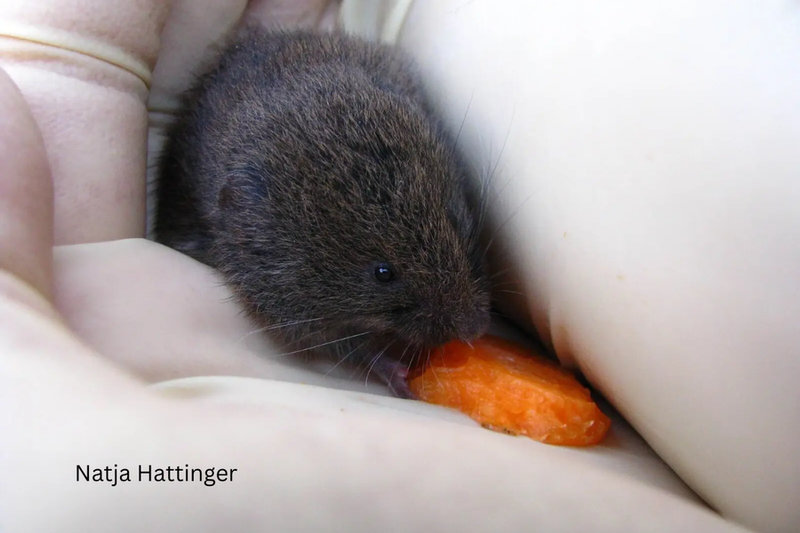
The common hamster is brightly coloured and stores huge amounts of food in cheek pouches. It hibernates for 5-6 months.
2
It has declined catastrophically across Europe due to modern agriculture.
🔭 Sighting Guide
📍 BEST PLACES TO SIGHT
Alsace France
Lower Austria
🗓️ BEST TIME TO SIGHT
Spring-summer
🎯 SIGHTING TIPS
Very rare; night searches in farmland; look for cheek pouches full of grain.