Home › Mammalia › Phascolarctidae › Koala (Phascolarctos cinereus)
SPECIES PROFILE
Koala (Phascolarctos cinereus)
Phascolarctos
IUCN STATUS
Vulnerable

CONSERVATION STATUS
Vulnerable
CLASS
Mammalia
GEOGRAPHICAL RANGE
Eastern Australia, from Queensland to Victoria and South Australia
DIET
Herbivorous
HABITAT
Eucalyptus forests and woodlands
🔬 Classification
PHYLUM
Chordata
CLASS
Mammalia
ORDER
Diprotodontia
FAMILY
Phascolarctidae
GENUS
Phascolarctos
📋 Description
SIZE
60-85 cm tall; weighs 4-15 kg, depending on region and sex
COLORATION
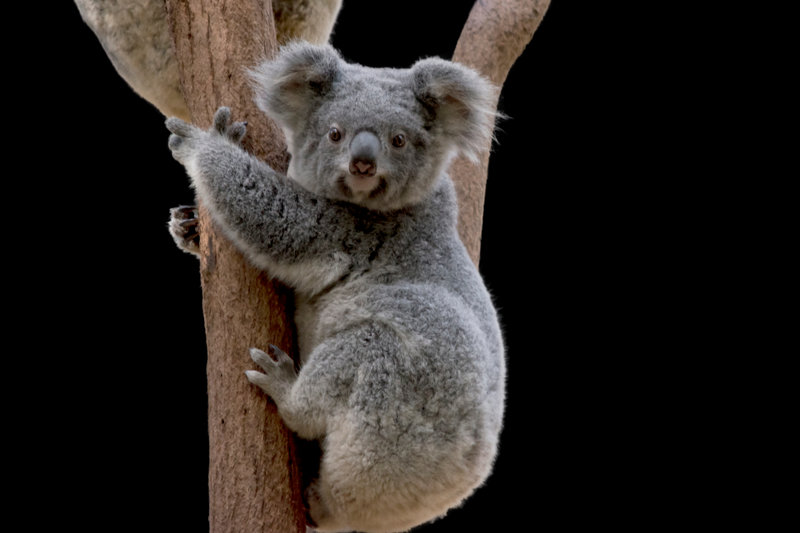
Grey fur with white patches on chest, ears, and chin; thick and woolly
ADAPTATIONS
Strong limbs and claws for climbing, specialized digestive system for eucalyptus
🌿 Ecology
HABITAT
Eucalyptus forests and woodlands
DIET
Herbivorous
GEOGRAPHIC RANGE
Eastern Australia, from Queensland to Victoria and South Australia
REPRODUCTION
Single joey born after a 35-day gestation, stays in pouch for 6 months, then rides on mother’s back
DIET DETAILS
Feeds almost exclusively on eucalyptus leaves, which are low in nutrients
⚠️ Threats & Conservation
PRIMARY THREATS
Habitat loss, disease (chlamydia), and vehicle strikes
💡 Interesting Facts
1
Leaf Specialists: Koalas consume 1 kg of eucalyptus leaves daily, their gut detoxifying toxins in Great Otway’s forests, sleeping 20 hours to conserve energy. This diet, supporting 80,000 koalas, faces threats from deforestation, with only 20% of original habitat remaining.
2
Dreamtime Icons: Revered in Indigenous stories as wise tree-dwellers, koalas at Lone Pine Sanctuary symbolize conservation, their fluffy fur endearing them globally. Chlamydia, affecting 40% of populations, drives captive breeding efforts to protect this marsupial from extinction.
🔭 Sighting Guide
📍 BEST PLACES TO SIGHT
Great Otway National Park in Victoria along Great Ocean Road has Kennett River and Cape Otway eucalyptus forests for koala sightings
Lone Pine Koala Sanctuary in Queensland Brisbane offers close-up views with wild koalas in nearby Toohey Forest
Raymond Island in Victoria near Paynesville East Gippsland has a thriving wild koala population in eucalypt trees
🗓️ BEST TIME TO SIGHT
April-October. Cooler months make koalas more active in eucalyptus forests for feeding.
🎯 SIGHTING TIPS
Look for koalas in eucalyptus trees at midday with guides.
🐾 You Might Also Want to See...

Species
Range
Status
Species
Range
Status
Species
Range
Status
Species
Range
Status